Laurel types

Bay Laurel

Laurus nobilis

The true laurel. Aromatic glossy leaves for the kitchen, classic topiary standards and a smart, slow-growing hedge for sheltered gardens.

Also known as sweet bay, Grecian bay, true laurel and the bay tree.

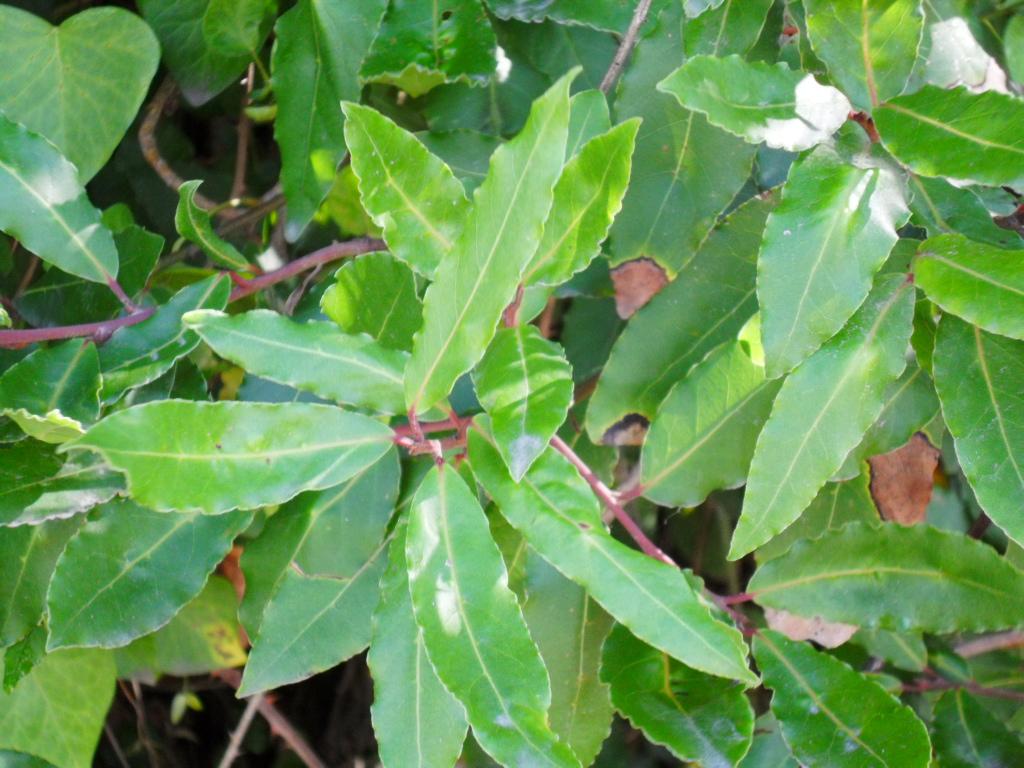
Bay laurel leaves

Bay laurel at a glance

Growth rate
Slow: up to 40cm a year when young
Sunlight
Full sun to partial shade
Soil
Any well-drained soil
Aspect
Any, but sheltered
Hardiness
Down to about -5°C
Best uses
Topiary, pots, sheltered hedges, cooking

About bay laurel

Bay laurel is an aromatic evergreen tree or large shrub with glossy green leaves, native to the Mediterranean. It is best known as a clipped topiary standard, but it also makes an excellent hedge in a sheltered garden. The narrow, leathery, aromatic leaves are the bay leaves used in cooking.

Small pale yellow-green flowers appear in dense clusters in spring, followed in autumn by glossy black oval fruit on female plants.

Bay is the plant behind the laurel wreath, the crown of victory and the highest honour in ancient Greece and Rome.

Growing bay laurel

Sunlight: full sun or partial shade.

Aspect: north, east, south or west facing, but always sheltered.

Soil: any well-drained soil. Bay hates sitting in wet ground over winter.

Growth rate: slow, which makes it easy to keep in shape.

Hardiness: bay tolerates temperatures down to about -5°C. Frost and cold winds can scorch the foliage, so protect plants with fleece or move pots under cover in a hard freeze.

Growing bay in a pot

Bay grows very well in a container, which is how most people grow a bay standard. Use a soil-based compost with extra grit to improve drainage and stability. Add controlled-release fertiliser granules, or give a liquid feed every two weeks from mid-spring to late summer.

As the plant grows it will need repotting, ideally every couple of years in spring. Compost breaks down over time, so even if you keep the same pot it is worth refreshing the top layer.

Bay laurel care

Pruning

To keep a bay hedge balanced, trim it lightly twice during the summer months using secateurs or hand shears. Standards and topiary shapes need regular pinching out to stay dense. Our guide to pruning a bay tree explains how to shape a bushy plant or train a lollipop standard.

Pests and diseases

Bay sucker causes thickened, curled and yellowing leaf edges. Soft scale and horse chestnut scale leave sticky honeydew and black sooty mould, and tortrix moth caterpillars bind leaves together. Powdery mildew and leaf spot can also appear. Most problems are cosmetic and easy to manage on a healthy, well-fed plant.

Cooking with bay leaves

Bay is the only one of the three laurels you can cook with. Pick leaves fresh or dry them for a stronger flavour. See our guide to using bay leaves in the kitchen.
Our picks

Where to buy bay trees

Bay is sold as young bushes, hedging plants and ready-trained standards, plus the shears you need to keep it in shape. We link to current Amazon UK listings rather than quoting prices, which change daily.

Classic topiary

Bay tree standard

The traditional lollipop bay. Keep it sheltered and protect it in hard frosts.

Best for: Pots either side of a door

Check price on Amazon

Neatest finish

Bypass secateurs

Cut individual stems above a leaf so you avoid the brown, sliced leaves a hedge trimmer leaves behind.

Best for: Trimming large-leaved laurel

Check price on Amazon

Kitchen garden

Bay laurel plant (Laurus nobilis)

A young bay bush for a pot or sheltered hedge. The leaves are the ones you cook with.

Best for: Growing your own bay leaves

Check price on Amazon

For bay and standards

Topiary shears

Short, sharp blades for detailed shaping of balls, cones and lollipop standards.

Best for: Shaping bay trees and Portuguese laurel

Check price on Amazon

Big hedges

Cordless hedge trimmer

Quick work of long hedges. Expect some browned leaves on cherry laurel that grow out within weeks.

Best for: Long runs of established hedge

Check price on Amazon

Extra reach

Telescopic hedge shears

Extendable handles let you reach the top of a two metre hedge without a ladder.

Best for: Tops of taller hedges

Check price on Amazon
See all our laurel hedging and tool picks

Bay laurel questions

Yes. The leaves of the bay tree (Laurus nobilis) are edible and widely used in cooking. Dried leaves stay sharp and stiff even after cooking, so they are usually removed before serving. Ground bay leaf is safe to eat.

Read more about cooking with bay leaves.

Bay is hardy to around -5°C once established, but frost and cold, drying winds can scorch the leaves and young plants are more vulnerable. Grow it in a sheltered spot, wrap container plants or move them into an unheated greenhouse or porch in a hard freeze, and avoid feeding late in the season so soft growth does not go into winter.

Yes, bay is one of the best plants for a pot. Use a soil-based compost with extra grit for drainage, water regularly in summer without letting it sit wet, and feed with a slow-release or liquid fertiliser from mid-spring to late summer. Repot or refresh the top layer of compost every couple of years in spring.

More laurel hedging questions answered

Compare other laurels

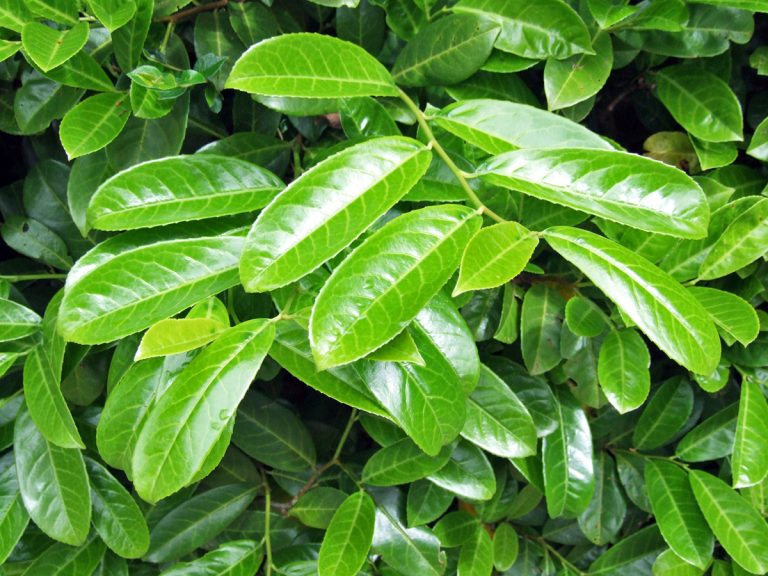
Cherry laurel hedge with large glossy leaves

Cherry laurel

The classic fast-growing laurel hedge with big glossy leaves. The quickest, most economical evergreen screen.

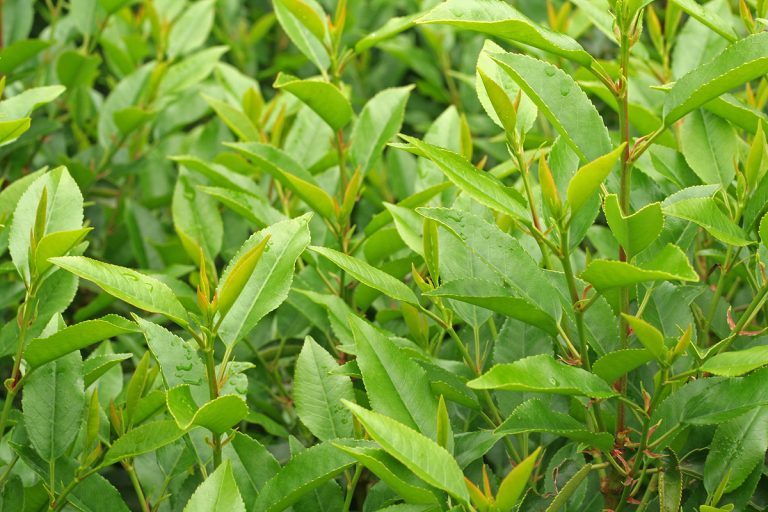
Portuguese laurel foliage with red stems

Portuguese laurel

Hardier, with smaller glossy leaves and red stems. The better choice for cold, exposed or chalky gardens.