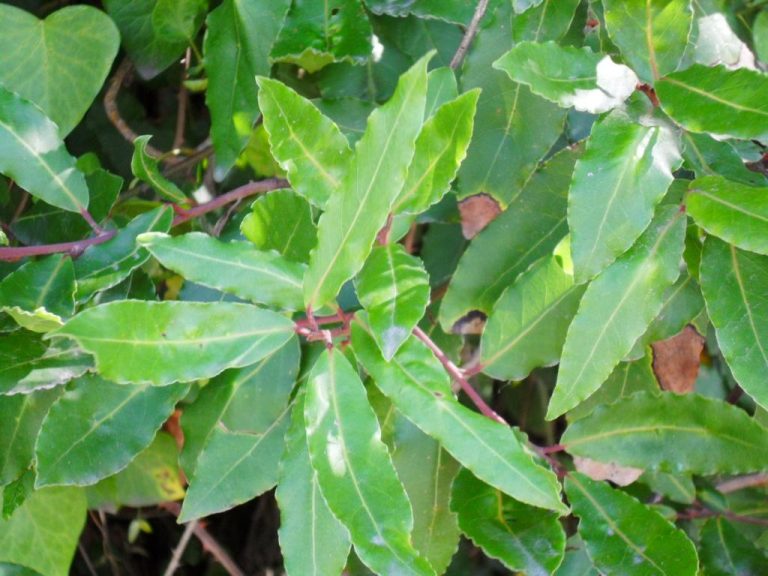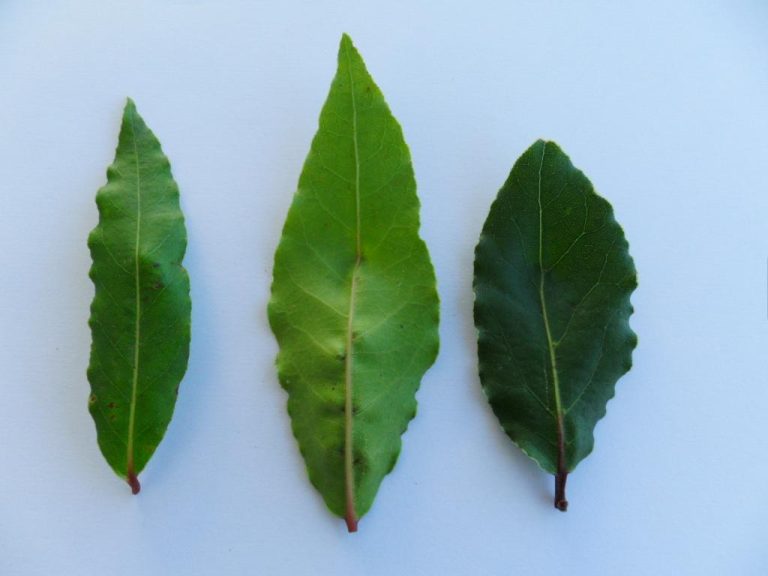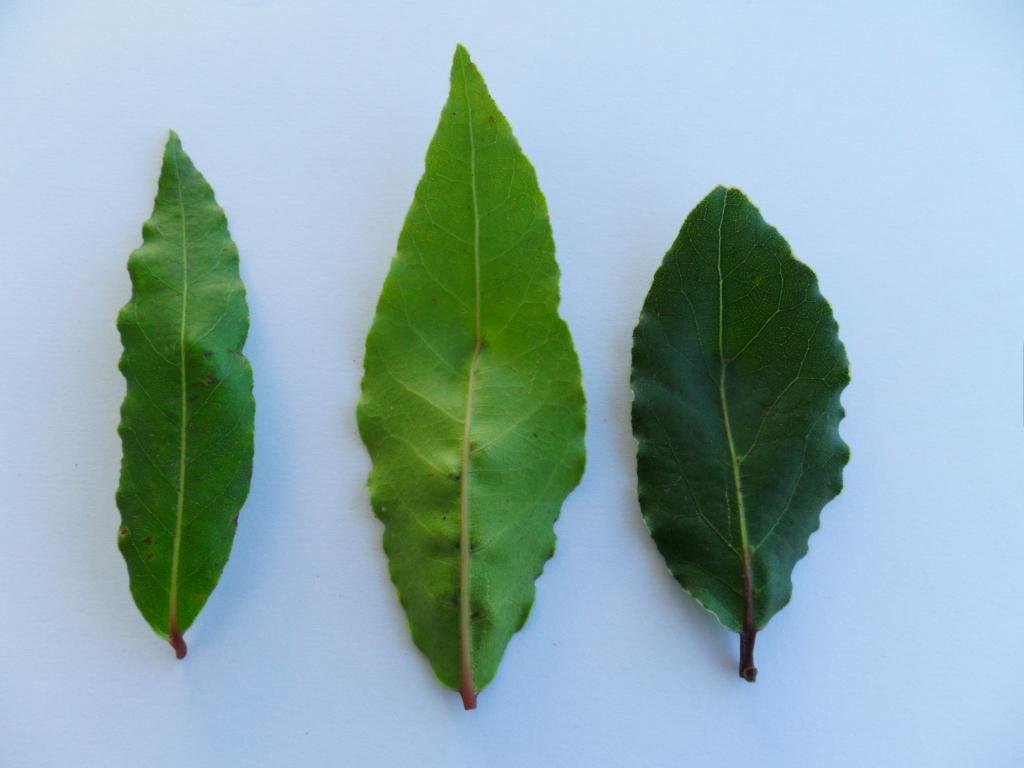
The leaves of bay laurel (Laurus nobilis) are one of the most useful herbs in the kitchen. They are used throughout Mediterranean and French cooking, and in Thai and Arab-influenced dishes too. A leaf or two adds depth to soups, stews, stocks, pasta sauces, rice, meat, fish and vegetables.
Bay is also an essential part of the classic bouquet garni, tied up with parsley and thyme. If you grow a bay tree or a bay hedge, you have a free supply of leaves all year round.
Fresh or dried bay leaves?
Fresh and dried bay taste different. A fresh leaf is milder, with a slight bitterness, and suits shorter cooking and delicate dishes such as fish. A dried leaf has a stronger, rounder flavour that infuses readily into long-cooked dishes, and loses most of the bitterness. Dried bay keeps for up to a year.
How to dry bay leaves
- Pick healthy, undamaged leaves in the middle of summer, once the morning dew has dried. The largest leaves are the most aromatic.
- Lay them in a single layer on paper towel somewhere warm, dry and well ventilated.
- Turn them after about a week so both sides dry evenly.
- Check for dark green patches or soft spots. Either means there is still moisture in the leaf, so leave them a little longer.
- Store the dried leaves in an airtight jar in a cool, dark cupboard.
How to use bay leaves
- Add one or two leaves at the start of slow-cooked dishes such as stews, casseroles and stocks.
- Infuse milk with a leaf for béchamel sauce or rice pudding.
- Thread fresh leaves between meat or vegetables on skewers before grilling.
- Take the leaves out before serving.
Are bay leaves edible?
Bay leaves are not toxic, but dried leaves stay sharp, stiff and abrasive even after long cooking, and can be a choking hazard. That is why they are removed before a dish is served or used only as a garnish. Ground bay leaf is safe to eat.
Never cook with cherry or Portuguese laurel
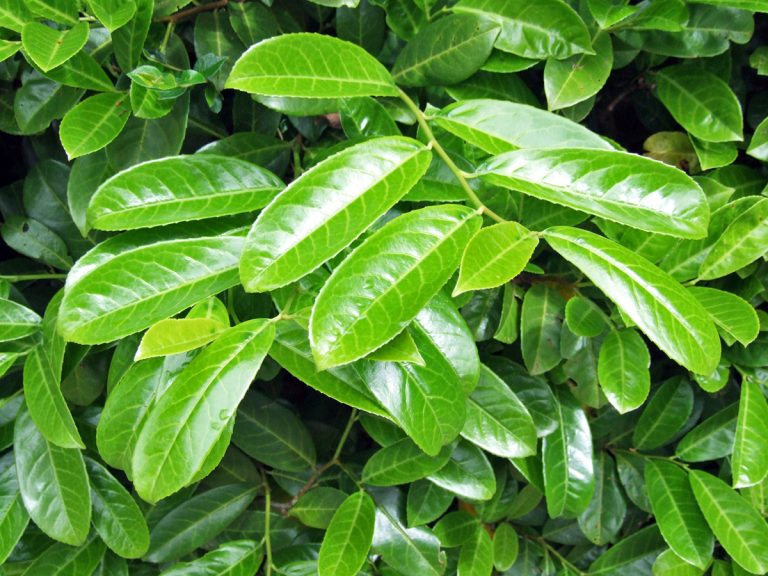
Only bay laurel is used in cooking. Cherry laurel and Portuguese laurel look superficially similar but their leaves are poisonous to people and livestock. If you are not completely sure which laurel you have, do not cook with it.
Grow your own bay
Bay grows well in a pot by a sunny back door, which keeps the leaves handy. A bay tree standard looks smart either side of a doorway, or you can grow it as a sheltered hedge. Read our guides to growing bay laurel and pruning a bay tree.