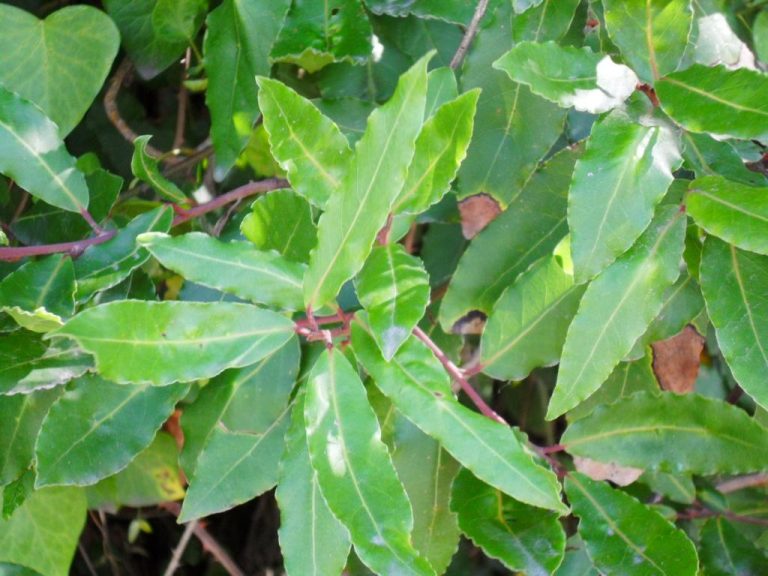
The bay tree, Laurus nobilis, can eventually reach 8 to 12 metres. Thankfully for home gardeners it is slow-growing, and it can take longer than a human lifetime to get that big.
Bay responds very well to pruning, which is why it is so often grown as topiary, most famously the bay standard or lollipop tree: a ball of foliage on a clear, straight stem. With regular pruning you can keep a bay tree in the same pot for many years.
When to prune a bay tree
Give bay its main trim in summer, once the spring flush of growth has firmed up. Lightly trim again in late summer if it needs tidying, but stop by early autumn so new shoots can harden before the frosts.
If an overgrown bay needs cutting back hard, do it in late spring when the plant is growing strongly. Bay recovers well from hard pruning, but it can take a season or two to look full again, so you may prefer to reduce it over two or three years.
Tools for pruning bay
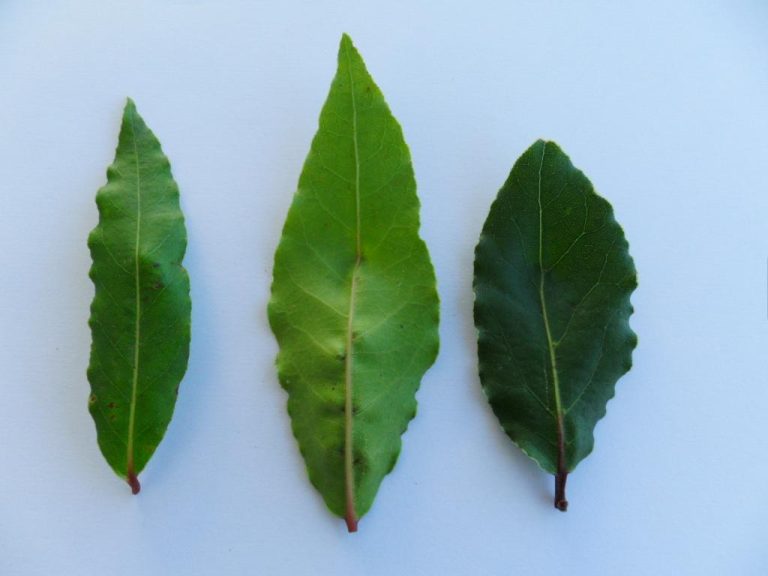
Bay has large, leathery leaves. Use secateurs or sharp hand shears and cut stems just above a leaf rather than slicing through leaves, which leaves brown, damaged edges. A pair of topiary shears makes shaping a standard or ball much easier.
Growing a bushy bay
To get a thick, bushy plant, remove the top growth. Pinching out or cutting back the tips of the main shoots encourages the plant to branch lower down.
Removing side growth does the opposite and encourages a taller, thinner plant, which is useful when you are training a standard.
Training a bay tree standard
- Start with a young plant that has a strong, straight leading shoot. Tie it to a cane to keep the stem straight.
- Remove suckers and any side shoots along the stem as they appear, until the leader reaches the height you want for the base of the head.
- Cut the top of the leader. Several new branches will grow just below the cut.
- Pinch out the growing tips of those side shoots regularly so they branch again, building a dense, rounded head.
- Keep feeding and watering well during the growing season so the plant reaches height quickly.
A well-proportioned standard has a clear stem roughly twice the height of its head.
Pruning a bay hedge
A bay hedge needs two light trims during the summer to keep a balanced shape. See our bay laurel growing guide for more on growing bay as a hedge.
Top tip: pull suckers off carefully rather than cutting them. They often come away with a little root and make good cuttings.