Cherry, Portuguese and bay laurel
The independent guide to laurel hedging
Which laurel to choose, how to plant it, how to keep it looking good, and where to buy it. Plain advice from people who have worked with laurel hedging for years.
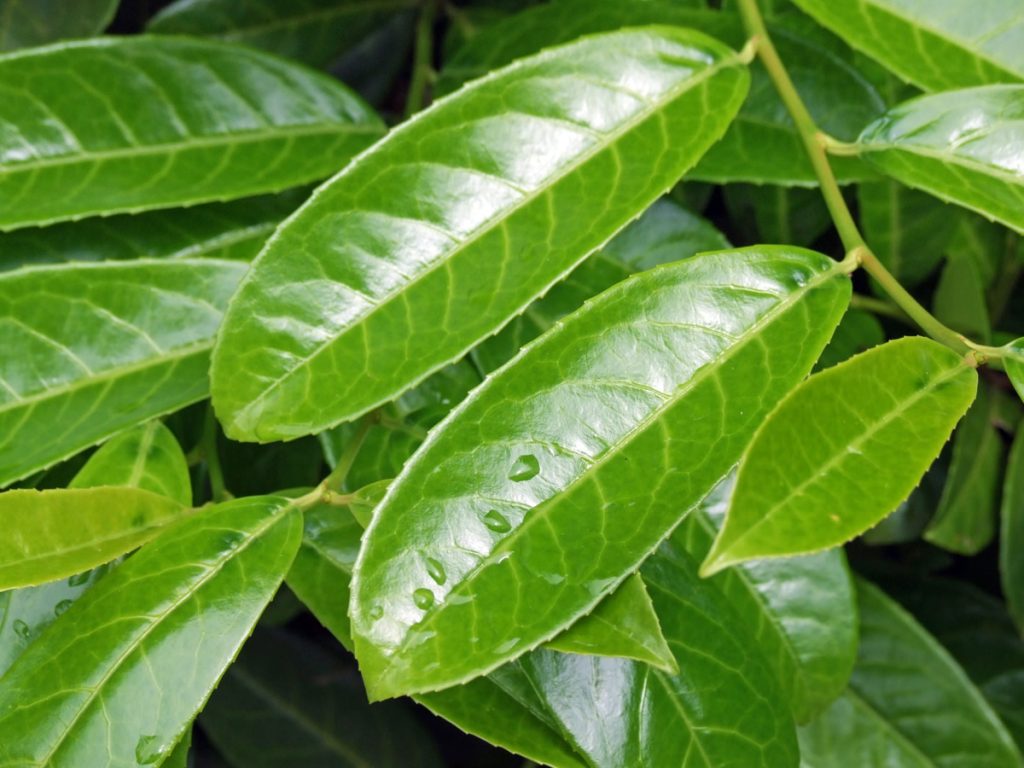
Why laurel hedging?
An evergreen wall that looks after itself
Several quite different plants go by the name laurel, and three of them make outstanding hedges. We created this guide to clear up the confusion between them and help anyone new to laurel hedging make an informed choice.
The Victorians embraced laurel hedging for its density and toughness, and it is still hard to beat. Laurel grows in almost any well-drained soil, in sun or partial shade, and a well-kept laurel hedge can be trimmed to almost any height or width with just one or two cuts a year.
- Screens your garden and adds privacy
- Acts as a natural windbreak
- Helps reduce traffic noise
- Makes your property more secure
- Marks your boundary
- Gives wildlife a home
- Protects against soil erosion
- Green all year round
Types of laurel hedging
Which laurel is right for you?
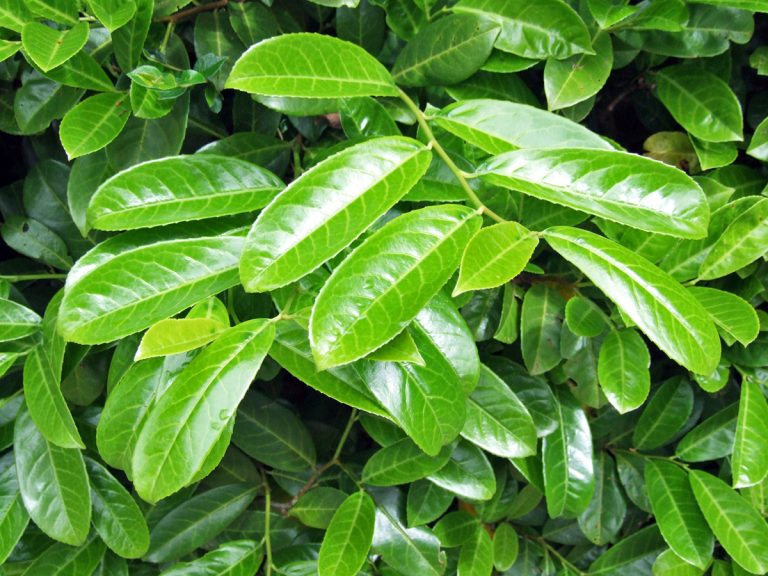
Fastest growing
Cherry laurel
Prunus laurocerasus
Big, glossy leaves and up to 60cm of growth a year. The quickest, most economical evergreen screen, and superb on a large scale.
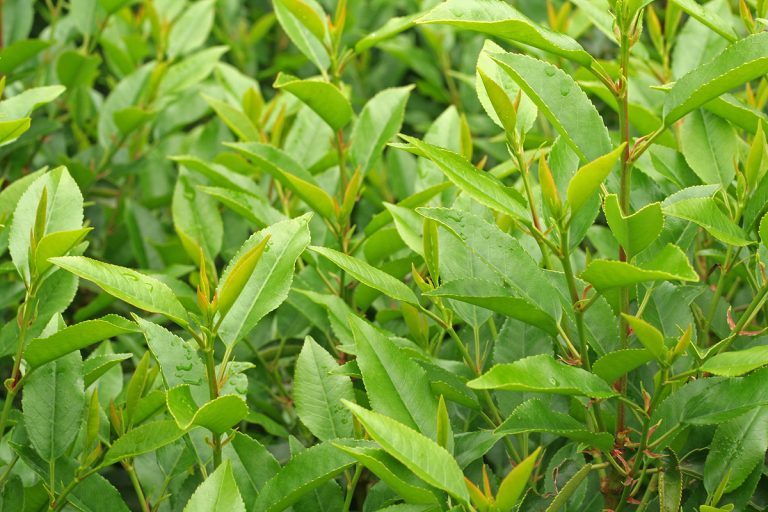
Hardiest
Portuguese laurel
Prunus lusitanica
Smaller, darker leaves on red stems. Very dense, clips beautifully and copes with cold, exposed and chalky gardens.
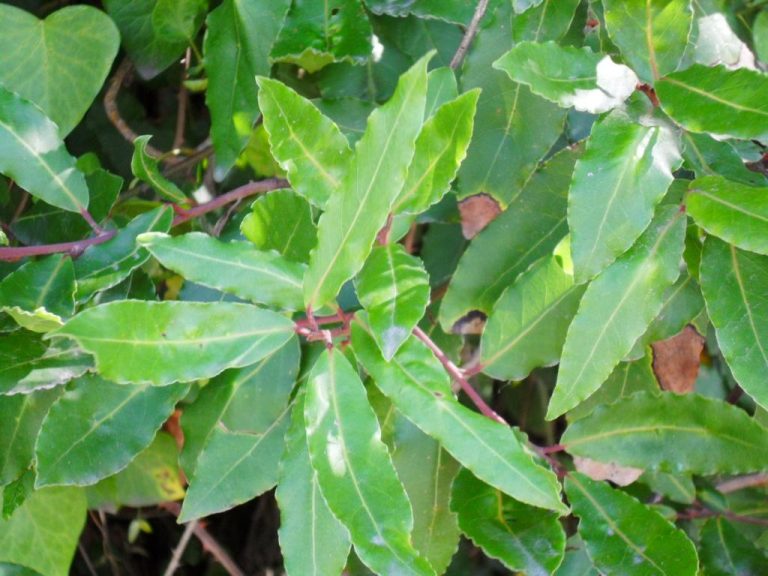
Topiary and kitchen
Bay laurel
Laurus nobilis
The true laurel. Aromatic leaves for cooking, classic lollipop standards and a neat, slow-growing hedge for sheltered spots.
Top laurel hedging picks
Buy laurel hedging online
Our pick of laurel hedging plants on Amazon UK, delivered to your door. We link to current listings rather than quoting prices, which change daily.
Best all-rounder
Pot-grown cherry laurel hedging
The classic large-leaved laurel hedge. Look for bushy plants of 60 to 100cm with several stems from the base.
Best for: Fast, dense screening on a budget
Check price on AmazonHardier choice
Portuguese laurel hedging plants
Smaller, glossier leaves and red stems. Hardier than cherry laurel and clips beautifully.
Best for: Cold, exposed or chalky gardens
Check price on AmazonClassic topiary
Bay tree standard
The traditional lollipop bay. Keep it sheltered and protect it in hard frosts.
Best for: Pots either side of a door
Check price on AmazonHedging favourite
Cherry laurel Rotundifolia
The most popular cherry laurel variety for hedging, with slightly rounder leaves and a naturally upright habit.
Best for: Formal hedges from 1.5 to 4 metres
Check price on AmazonTopiary
Portuguese laurel standard
A lollipop-trained Portuguese laurel. A hardy alternative to a bay standard in colder gardens.
Best for: Front doors and formal planting
Check price on AmazonKitchen garden
Bay laurel plant (Laurus nobilis)
A young bay bush for a pot or sheltered hedge. The leaves are the ones you cook with.
Best for: Growing your own bay leaves
Check price on AmazonLaurel hedging guides
How to plant a laurel hedge
Spacing, timing and the trench method for a hedge that establishes fast.
Read the planting guideHedges and the law
High hedge rules, boundaries and what your neighbours can and cannot do.
Read about the lawLatest articles
All articlesHedging Advice
Hedge or Fence?
A hedge or a fence for your garden boundary? We compare cost, looks, privacy, security and upkeep, and explain when…
Bay Laurel
How to Prune a Bay Tree
When and how to prune a bay tree, whether you want a bushy plant, a neat hedge or a classic…
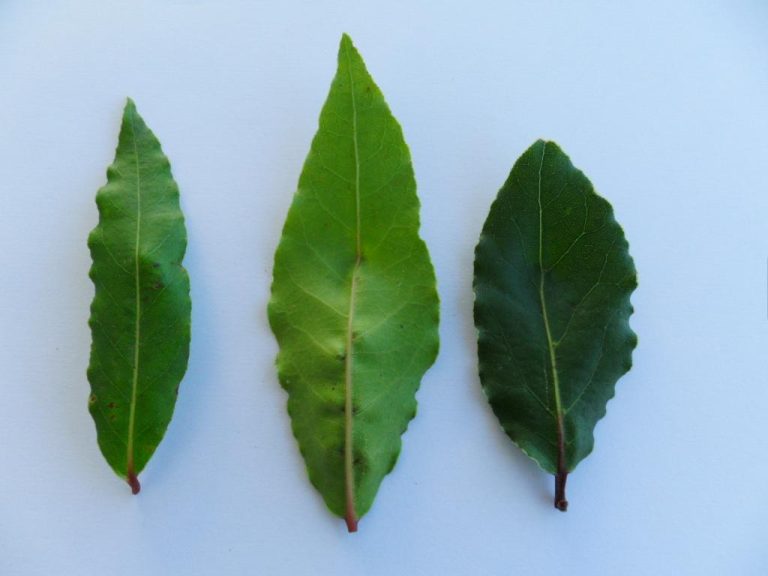
Bay Laurel
Bay Leaves for Culinary Purposes
How to use, dry and store bay leaves from your own bay laurel, and why you must never cook with…