Most of us mark and protect our boundaries with either a hedge or a fence, unless we are lucky enough to have an old brick or stone wall. Each has clear advantages and drawbacks when it comes to cost, looks, privacy and how long it takes to establish.
Hedge: advantages and drawbacks
| Hedge advantages | Hedge drawbacks |
|---|---|
| Attractive and natural looking | Needs time to establish |
| Usually cheaper than a quality fence | Needs trimming every year |
| Brings wildlife into the garden | Takes water and nutrients from nearby borders |
| Lasts for decades | Takes up more ground than a fence |
Fence: advantages and drawbacks
| Fence advantages | Fence drawbacks |
|---|---|
| Instant privacy and a clear boundary | A quality fence is expensive |
| Little routine maintenance | Cheap fences need regular repair and replacing |
| Good security straight away | Harsh looking, especially when new |
| Takes up very little space | Panels can blow down in strong winds |
Why a hedge often wins
A hedge is a great way to mark your property boundary while giving you privacy and security. A dense hedge such as laurel is very hard for anyone to push through. It also works as a natural windbreak: rather than catching the wind like a solid panel, it filters it, so it does not blow over in a storm.
The density of a hedge makes it better than a fence at reducing noise and trapping dust and pollution from a busy road. Hedges do need trimming each year, but they last far longer than a timber fence and cost much less than a wall.
When a fence makes sense
The big advantage of a fence is speed: you have privacy the day it goes up. If you cannot wait, instant hedging (large, mature plants) closes much of the gap, at a higher price.
Combining the two
Often the best answer is both. If you need a secure boundary straight away, put up a simple wire or post-and-rail fence and plant a hedge along it. Just remember the wire is there when you come to trim.
If you already have a sound but ugly fence, willow screening rolls tie straight onto it for instant cover while a hedge grows in front.
The best hedge for most gardens
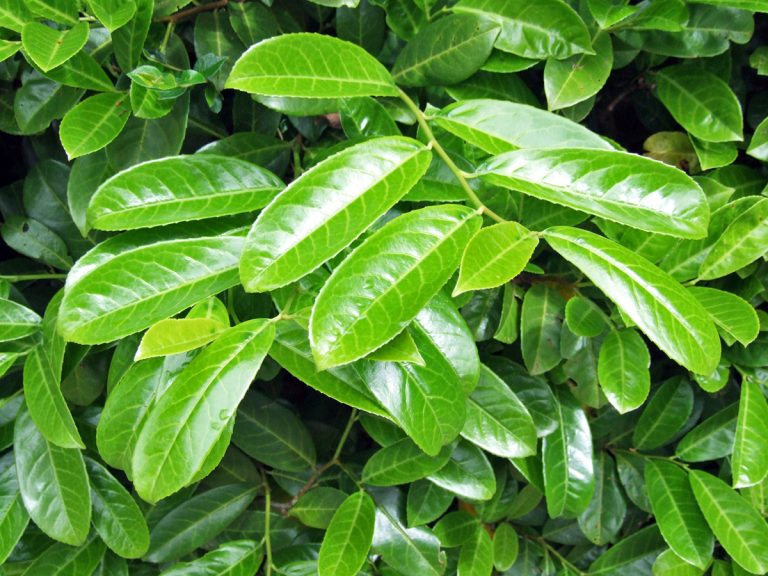
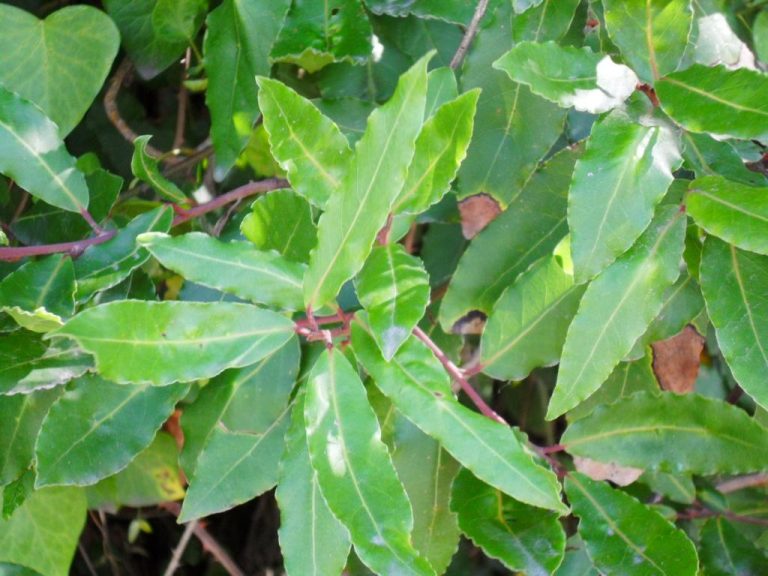
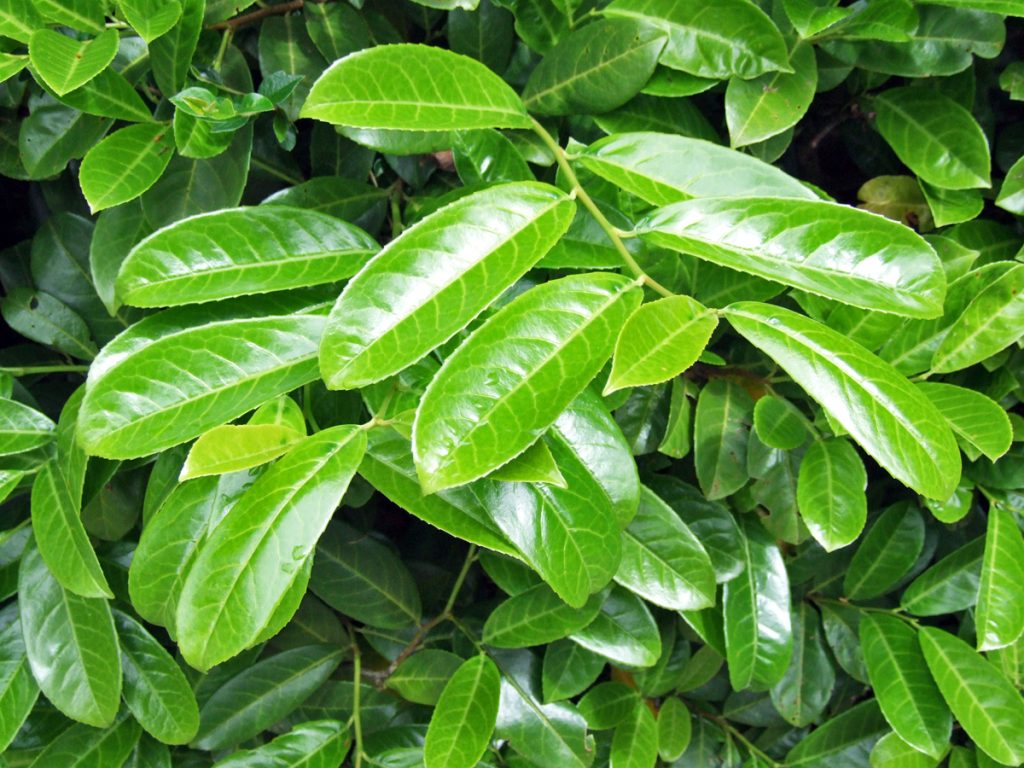
Cherry laurel, with its large, glossy evergreen leaves, is hard to beat for a boundary. The Victorians loved it for its density and toughness. It makes an organic wall that screens, shelters and gives wildlife a home, it needs trimming only once or twice a year, and left untrimmed it can grow around 60cm a year, so even small plants make a hedge quickly. For colder or more exposed gardens, Portuguese laurel is the hardier choice.